
Case Study

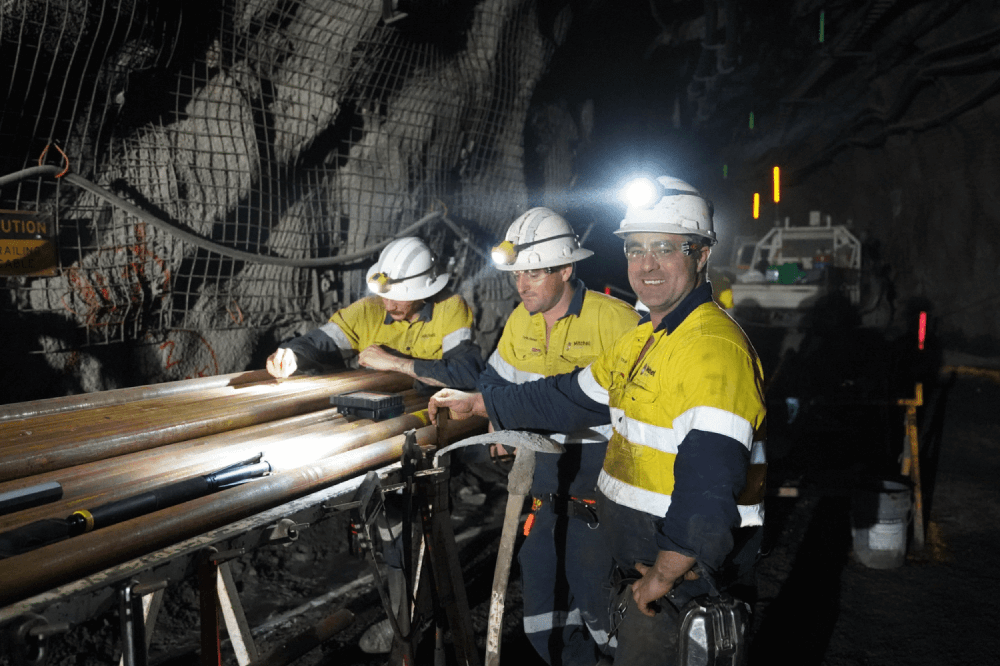
Mitchell Services is an ASX-listed drilling company which operates across Australia, providing surface and underground drilling services to various sectors. With a workforce of 750 employees, the company faced significant challenges in managing safety across remote, varied, and high-risk work environments.
One of the strongest advocates of new view safety in the Asia Pacific region, Mitchell's has embraced the Human and Organisational Performance (HOP) principles, transforming safety practices through a worker-centric approach and proactively sharing their experiences with organisations globally. In 2023, this work was recognised with the Australian Institute of Health and Safety (AIHS) WHS Team of the Year Award.
Within the mining industry, there is a heavy reliance on Total Recordable Injury Frequency Rate (TRIFR) as a measure of safety, which can drive a focus on statistics rather than the true control of risk. When it came to safety management, prior to the introduction of HOP, Mitchell Services was operating under an outdated model – relying heavily on rigid "lifejacket rules" that focused on compliance rather than fostering a true safety culture. These rules were disconnected from the actual risks faced on drill sites and were seen as punitive, rather than protective, by the workforce. Despite the presence of these rules, the company experienced a series of safety incidents, signalling the need for a new approach.
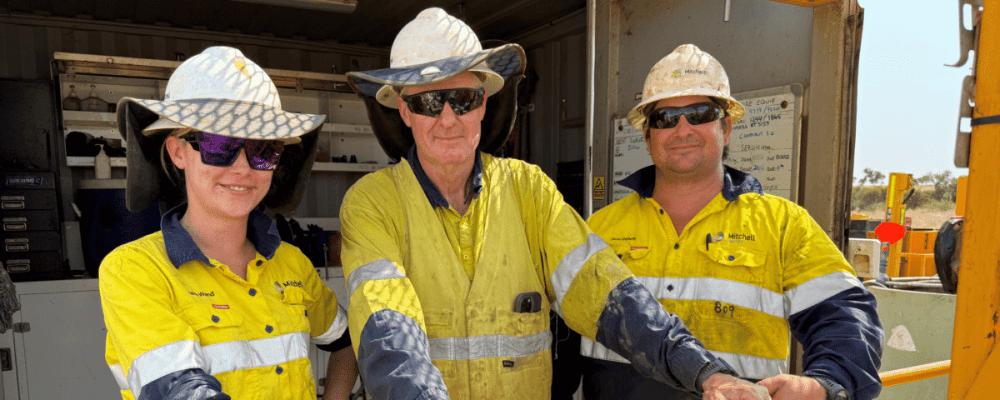
Led by the senior HSE team, Mitchell Services began exploring the Safety Differently movement, which was one of the first approaches to view safety as an ethical responsibility to workers. Rather than enforcing top-down rules, the team engaged workers directly, asking them what could go wrong on their sites. This feedback led to the development of a new safety framework called the Fatal 8, which was a worker-identified list of the eight most dangerous tasks on their drilling worksites – which, if not controlled, could lead to injury or death. This worker-led approach became the foundation of Mitchell Services' safety culture and approach to critical risk management.
The company's HSE team, inspired by the HOP principles, shifted its focus to recognising the workforce as the solution rather than the problem.
Although the 5 HOP principles work together, there was an initial focus from the leadership team on 'Leaders Response Matters'. This meant leaders being more measured when news was shared about failure; being more curious; and asking the question: 'why did it make sense to those involved in the unplanned events?'. Changing investigations to 'event learning' also showed Mitchell Services the importance of normal work first before looking at 'failure', understanding 'error traps' in work (People make mistakes) and also where people had to adapt to make work successful (Context drives behaviour). This brought the other principles to life as there was a reduction in blame (Blame fixes nothing) and a movement towards learning (Learning is vital).
Through the adoption of HOP, Mitchell Services has genuinely transformed its culture. While the journey has been iterative and evolved over the past 7 years, the key outcomes have been profoundly positive.
They include:
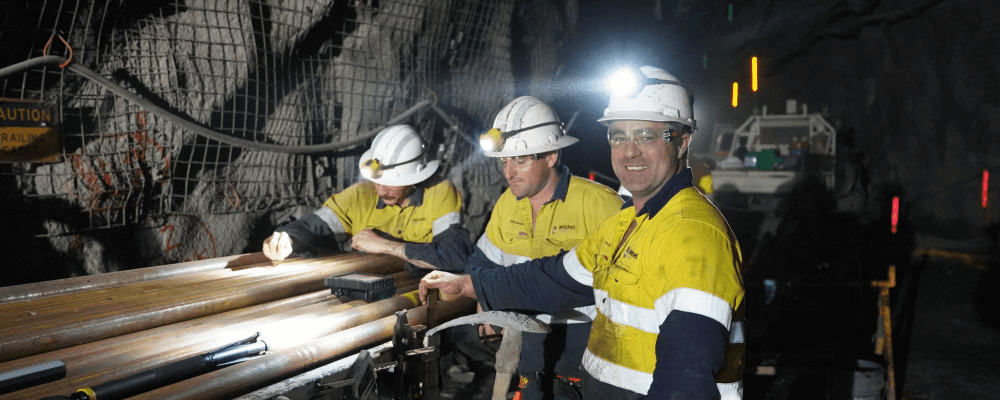
Mitchell Services' journey with HOP has demonstrated that involving workers in the safety process leads to better outcomes, both in terms of safety and operational efficiency. By shifting from a compliance-driven model to one that sees people as the solution, the company has not only reduced incidents but also fostered a more engaged and empowered workforce.
Case Study

Case Study

Case Study
Case Study

Case Study

Case Study
Ready to get started?

Get the latest information and insights on Human and Organisational Performance delivered to your inbox.
Sign up here
Build your understanding of Human and Organisational Performance with our flexible, self-paced online course.
Enrol now
Talk to us about how you can start your HOP journey and transform how your organisation thinks about safety.
Give us a call